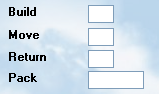
MLS 2026 allows additional information to be maintained regarding:
👉 the manufacturer
👉 packaging
👉 movement characteristics
👉 return policies
👉 inventory classification
for each inventory item.
These fields help improve:
•inventory control
•purchasing decisions
•customer communication
•operational accuracy
•vendor management
throughout the system.
Build Classification
The:
👉 Build
field identifies the condition or manufacturing status of the part.
Common classifications include:
•New
•Remanufactured
•Used
•Factory Second
This information is important for:
•customer disclosure
•pricing
•warranty handling
•inventory organization
•legal compliance
within many service industries.
Why Build Classification Matters
Most customers naturally assume:
👉 parts installed during a repair are new
unless otherwise disclosed.
Clearly identifying:
•remanufactured
•rebuilt
•used
•recycled
components helps maintain:
•transparency
•customer trust
•professional communication
throughout the repair process.
In many regions:
👉 disclosure of used or remanufactured parts may also be required by regulation.
Proper classification on:
•workorders
•estimates
•invoices
helps protect both:
•the customer
and
•the business.
Movement Codes
The:
👉 Move
field may contain:
•vendor movement classifications
or
•internally developed movement codes.
Some manufacturers and catalog systems provide:
👉 inventory movement indicators
showing:
•fast-moving items
•slow-moving items
•seasonal products
•specialty inventory
This information may sometimes be imported automatically through:
👉 vendor catalog interfaces
when supported.
Internal Use Of Movement Codes
Businesses may also develop:
👉 their own movement classifications
to assist with:
•stocking decisions
•reorder planning
•shelf organization
•inventory analysis
Examples might include:
•F — Fast Moving
•M — Medium Movement
•S — Slow Moving
•O — Obsolete
The actual coding structure should reflect:
👉 your operational needs.
Return Status
The:
👉 Return
field identifies:
👉 vendor return policies
for the inventory item.
Some vendors:
•freely accept returns
while others:
•require authorization
•impose restrictions
•prohibit returns entirely
This information may also be imported automatically from:
👉 vendor catalog systems
when available.
Why Return Information Matters
Knowing return eligibility helps management:
•reduce inventory losses
•handle overstock
•process incorrect orders
•manage obsolete inventory
more effectively.
This information becomes especially valuable when handling:
•slow-moving inventory
•warranty situations
•special-order parts
•discontinued inventory
Packaging Information
The:
👉 Pack
field identifies:
👉 the normal packaging or unit measure
for the item.
Examples include:
•Each
•Pair
•Quart
•Gallon
•Foot
•Inch
•Box Quantity
•Package Quantity
This field helps clarify:
•purchasing quantities
•inventory handling
•sales quantities
•unit measurement
throughout MLS 2026.
Supporting Fractional Quantities
MLS 2026 supports:
👉 decimal inventory quantities
which is extremely useful for:
•fluids
•bulk materials
•measured products
For example:
•oil
•coolant
•refrigerant
•chemicals
•hose material
may be:
•purchased in bulk
but
•sold in fractional quantities.
Example:
1.7 quarts
This allows accurate:
•inventory reduction
•workorder charging
•usage tracking
without requiring artificial unit conversions.
Why Packaging Information Is Valuable
Accurate packaging information improves:
•inventory consistency
•purchasing accuracy
•technician understanding
•inventory valuation
•workorder accuracy
It also helps reduce:
•ordering mistakes
•quantity confusion
•inventory discrepancies
throughout the business.
Integrating Manufacturer Data Into Workflow
These manufacturer-related fields help MLS 2026 provide:
•stronger inventory organization
•improved purchasing intelligence
•more accurate workorders
•better customer communication
•more complete inventory records
while supporting:
👉 real-world service operations.
Recommended Best Practices
•Clearly identify used or remanufactured parts
•Maintain consistent Build classifications
•Review movement codes periodically
•Use movement data to improve stocking decisions
•Track vendor return policies carefully
•Verify packaging quantities during setup
•Use decimal quantities consistently for fluids and bulk items
•Standardize internal movement code definitions
•Review obsolete or non-returnable inventory regularly
•Maintain accurate manufacturer information
Recommended Companion Sections
This section works closely with:
•Inventory Editor
•Stocking Parts
•Non-Stocking Parts
•Purchase Orders
•Vendor Management
•Inventory Reports
•Pricing Tables
•Workorders
•Inventory Costing
Together, these sections provide a complete inventory classification and inventory management workflow system within MLS 2026.