MLS 2026 includes a series of utilities designed to help maintain accurate client and Service Unit information throughout the system.
These utilities assist with:
•correcting historical data
•synchronizing records
•updating totals
•maintaining search accuracy
•handling ownership changes
•updating tax structures
•managing follow-up systems
•preserving workorder history integrity
Most utilities display a simple popup dialog requesting the information needed to perform the task.
Once confirmed, MLS 2026 automatically processes the requested changes.
Name Space Utility
Earlier versions of the system used shorter field lengths for client names.
The Name Space Utility adjusts older records to conform to the newer expanded field structure used in MLS 2026.
This utility may also:
•update workorder records
•correct spacing inconsistencies
•improve historical search accuracy
Running this utility is recommended after importing or converting data from older versions of MLS.
Owner Utility
Service Unit records contain the owner or company name associated with the linked client account.
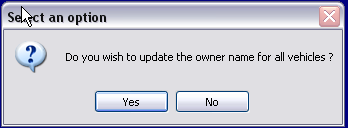
If the owner information:
•is missing
•is incorrect
•does not match the linked client
the Owner Utility can automatically correct the records.
The system:
1.Reads the Account Number assigned to the Service Unit
2.Looks up the matching client record
3.Copies the proper client name into the Service Unit record
This utility is especially useful after:
•data conversions
•imported records
•ownership corrections
•manual editing errors
Workorder Names Utility
This utility updates the client names stored on all historical workorders.
MLS 2026 will:
•locate all workorders associated with a specific Service Unit license or identifier
•replace the stored name with the current client name
This greatly improves:
•historical searching
•reporting
•lookup accuracy
•client tracking
especially when:
•names were corrected
•businesses changed ownership
•records were merged
•spelling issues existed in older data
Update Totals Utility
The Update Totals Utility recalculates client service totals.
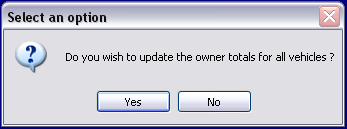
MLS 2026 scans:
•completed workorders
•invoices
•historical records
and rebuilds the current-year totals for each client.
This utility is useful if:
•totals appear incorrect
•records were imported
•workorders were restored
•accounting adjustments occurred
Update Dates Utility
This utility recalculates:
•First Service Date
•Last Service Date
for each client.
The system reviews:
•all Service Units associated with the client
•all linked service activity
and automatically determines the proper date range.
This ensures accurate:
•client history
•reporting
•CRM follow-up timing
•longevity tracking
Change Tax Utility
MLS 2026 supports individual tax rates for different clients.
When tax rates change, this utility allows bulk updating of client tax values without modifying exempt or special-rate accounts.
The utility works by asking for:
•the current tax value
•the new tax value
Only matching records are changed.
Example:
Current Parts Tax |
New Parts Tax |
8.75% |
8.85% |
Clients using:
•8.75% are updated
•8.25% remain unchanged
This process may be performed separately for:
•parts tax
•labor tax
⚠️ After changing tax rates, be sure to also update the:
👉 Tax Rate Validation List
within system setup.
Auto Email Setup
MLS 2026 can automatically generate client follow-up emails after service visits.
Typical automated schedules include:
•same-day Thank You emails
•30-day follow-ups
•future maintenance reminders
•periodic client retention messages
The Auto Email Setup utility configures these automated schedules.
For complete details, see:
👉 Email Auto Follow Up
Auto Email Edit
MLS 2026 maintains an internal tracking file for automated emails.
The Auto Email Edit utility allows you to:
•review pending emails
•stop future follow-up messages
•manually override email scheduling
Within the list:
•.F. indicates the email has not yet been disabled
•.T. indicates the email has been stopped
To disable an email:
1.Locate the service record
2.Move to the appropriate field
3.Change:
.F.
to
.T.
No further email will be sent for that sequence.
Text Editor
The Text Editor is used to create and maintain:
•follow-up letters
•postcards
•email templates
•automated messages
•CRM communications
For additional details, see:
👉 Creating Text
License Change Utility
⚠️ Never manually change the License field directly inside a Service Unit record.
The License value links:
•workorders
•service history
•invoices
•CRM records
•maintenance schedules
Changing it manually breaks those relationships.
Instead, use:
👉 License Change Utility
The utility safely updates all linked records throughout MLS 2026.
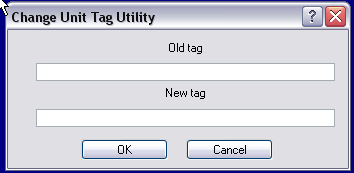
Using The License Change Utility
Enter:
•the current license in:
👉 Old Tag
•the replacement license in:
👉 New Tag
MLS 2026 will automatically update all associated records.
Common Uses For License Change
New Service Unit — Existing License
A client purchases a new Service Unit but transfers the old license or identifier.
Example:
•Original License:
ROADHOG
•Old Service Unit reassigned to:
ROADHOG-99FMC
This preserves:
•historical records
•service history
•search accuracy
while allowing the new Service Unit to retain the current active license.
Service Unit Sold To Another Owner
A previously serviced Service Unit changes ownership.
The old owner retains the plate or identifier, and the new owner receives a replacement.
Use the License Change Utility to preserve:
•historical continuity
•repair records
•client tracking
Then:
1.Open the Service Unit record
2.Assign the correct client account
3.Save the updated ownership information
All historical data remains intact.
Service Unit Delete Procedures
Service Unit deletion should be used carefully.
Deleting records rarely improves performance and may remove valuable history references.
Deleting From The Service Unit Screen
To delete an individual Service Unit:
1.Highlight the desired record
2.Select:
👉 Delete
Only the Service Unit record itself is removed.
Historical workorders remain intact.
Deleting From The Client Screen
When deleting a client:
1.Highlight the client record
2.Select:

MLS 2026 will ask whether associated Service Units should also be removed.
If:
•YES → individual Service Units are displayed for confirmation
•NO → only the client record is removed
Handling Duplicate Service Units
If duplicate Service Unit records exist:
1.Verify which record contains the correct data
2.Preserve the most complete version
3.Delete the duplicate record
Be sure all:
•service history
•ownership information
•notes
•schedules
exist on the retained record before deletion.
Handling Duplicate Clients
If duplicate client records exist:
1.Keep the correct account
2.Move Service Units if necessary
3.Delete only the unwanted duplicate client record
When prompted regarding Service Units:
👉 answer NO
so the Service Units remain attached to the correct account.
Why These Utilities Matter
The Client / Service Unit Utilities help maintain:
•database integrity
•historical accuracy
•search consistency
•CRM effectiveness
•ownership tracking
•accounting continuity
As businesses grow and records accumulate over many years, these tools become increasingly valuable for maintaining organized and accurate operational data.
Recommended Best Practices
•Never manually change license identifiers
•Use utilities instead of direct record editing whenever possible
•Run Update Totals after major imports or restorations
•Keep client and Service Unit ownership synchronized
•Preserve historical records whenever possible
•Avoid deleting records unless absolutely necessary
•Review duplicate records carefully before removal
•Update tax tables whenever rates change
•Monitor automated email sequences regularly
•Use standardized naming conventions throughout the system
Recommended Companion Sections
This section works closely with:
•Client Data
•Service Unit Data
•Service History
•Preventive Maintenance Scheduling
•CRM Integration
•Workorders
•Reporting
•Email Auto Follow Up
•Labor Glossaries
•Accounting History
Together, these systems provide long-term operational consistency and historical accuracy throughout MLS 2026.
[TEditFormControlObj]